Is Your Business Easy to Find Online? Here's How to Tell
Being "online" and being findable are two different things. Here's a practical way to check which one describes your business.
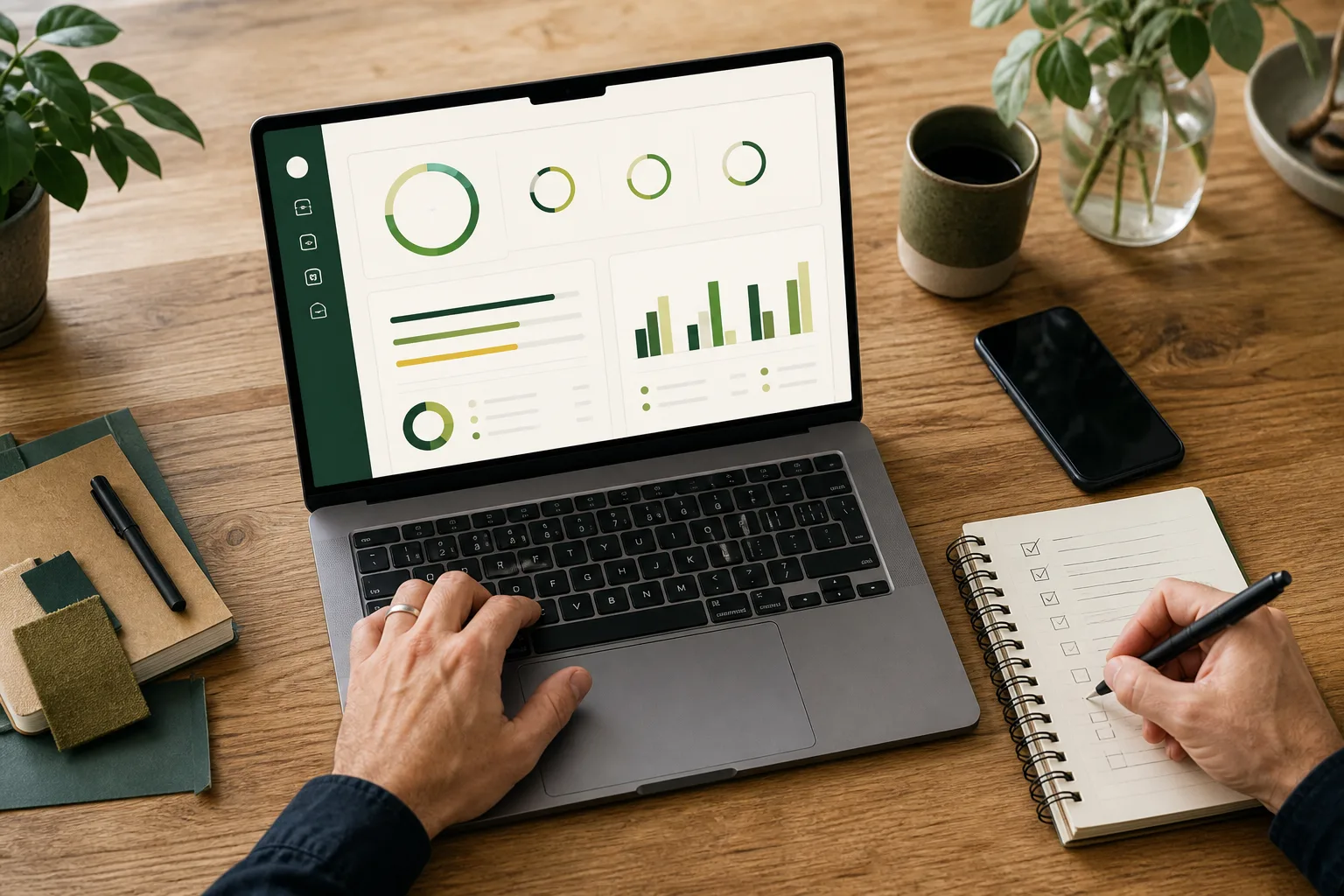
Most small business owners assume that having a website means they're findable. They're not the same thing. A website that exists is not the same as a website that shows up when a nearby customer searches, loads properly on a phone, and makes it obvious how to get in touch. Findability is the whole chain — and it breaks more often than owners realize, usually in places they never think to check.
What "findable" actually means
A genuinely findable business shows up in local search results for the things it actually does, has consistent name, address, and phone details wherever it's listed, works cleanly on a phone (not just a desktop monitor), and gives a visitor an obvious next step within a few seconds of landing on the page. Miss any one of these and you lose customers who never even realize they found you — because, functionally, they didn't.
The five places findability quietly breaks
The most common gap is inconsistency: a business listed as "Smith's Plumbing" on Google but "Smith Plumbing Inc." on Yelp and "Smith's Plumbing & Heating" on its own website. Search engines read that as three different possible businesses, which dilutes trust and rankings. The second gap is mobile experience — a site that looks fine on a laptop but forces a phone user to pinch and zoom to read a phone number. The third is missing metadata: no clear page title or description telling search engines what the page is actually about. The fourth is buried contact information, often just a form on a "Contact" page nobody clicks. The fifth is the absence of any visible trust signal — no reviews, no photos, no proof that a real business with real customers is behind the site.
Why this matters more for local businesses
A national e-commerce brand can survive some friction because customers actively search for it by name. A local service business usually can't — it's competing against three other options in a results page, and a customer deciding between them is looking for the fastest, clearest signal that this business is legitimate and reachable. Every extra second of confusion is a chance for them to click back and try the next result instead.
A quick way to check your own site
Pull up your website on your phone, on mobile data, not wifi. Time how long it takes you to find your phone number or a way to send a message. Then search your business name plus your city on Google and see what comes up — is it your website, an outdated listing, or nothing at all? If either of those checks feels harder than it should, that's exactly the kind of friction a prospective customer runs into, minus the patience you have because you already know the business is yours.
If you want a fuller picture without guessing, FindableFlow's free diagnostic checks these signals — and a few dozen more across trust, visibility, and technical health — in about a minute, with no account required.